The Silver treasure

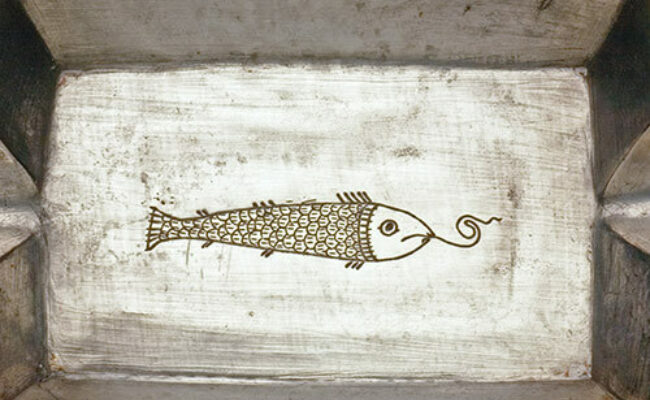
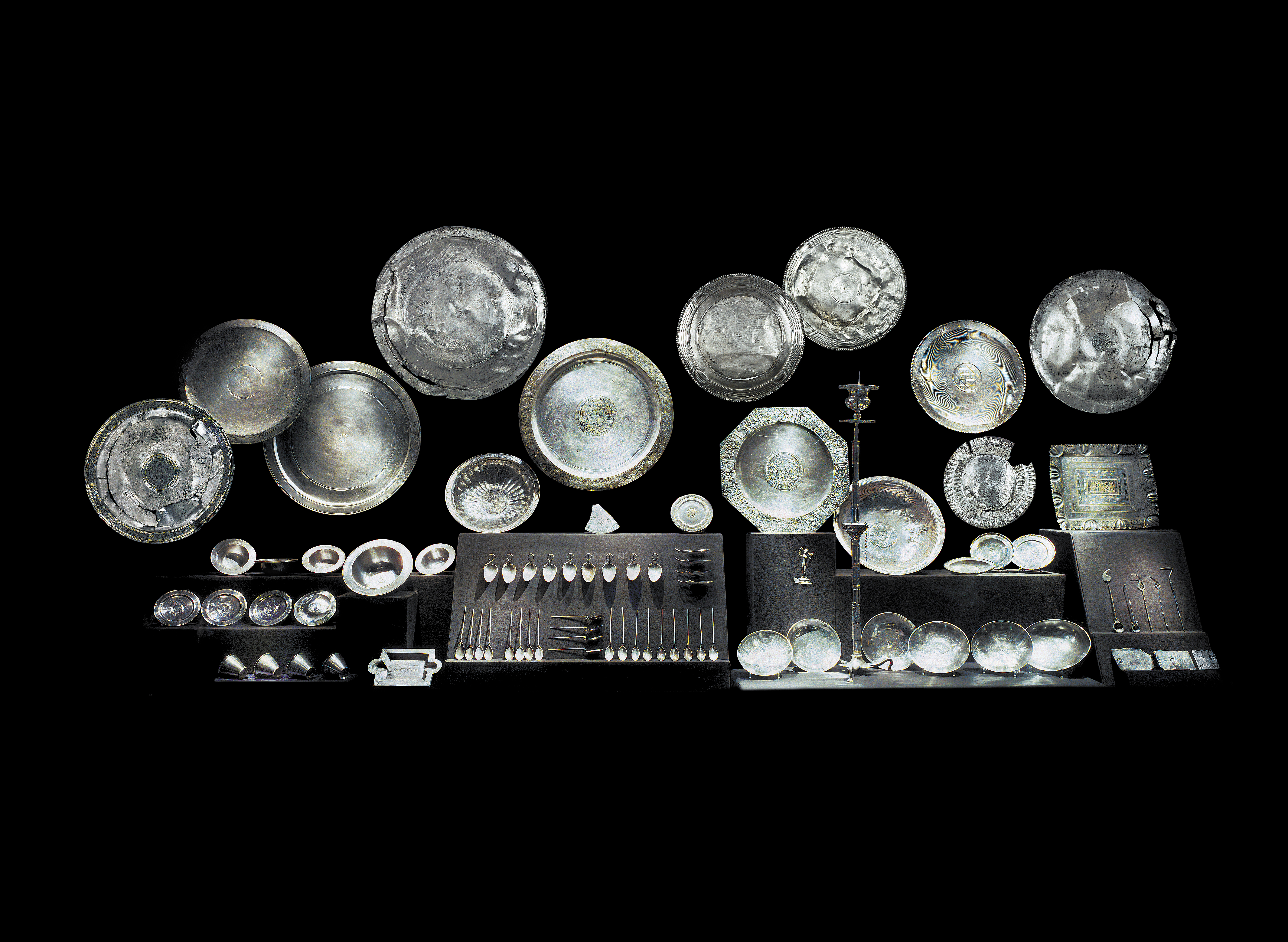
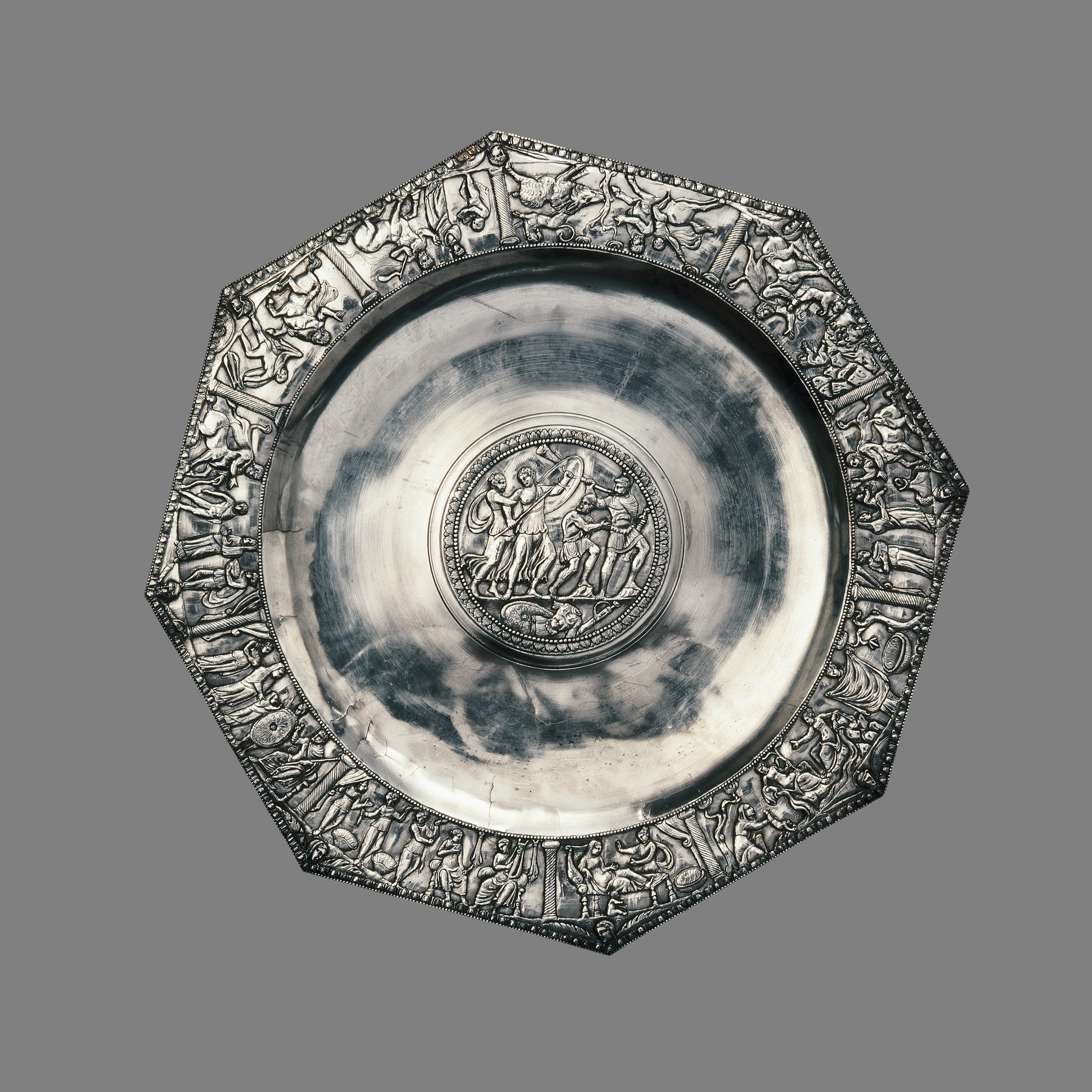
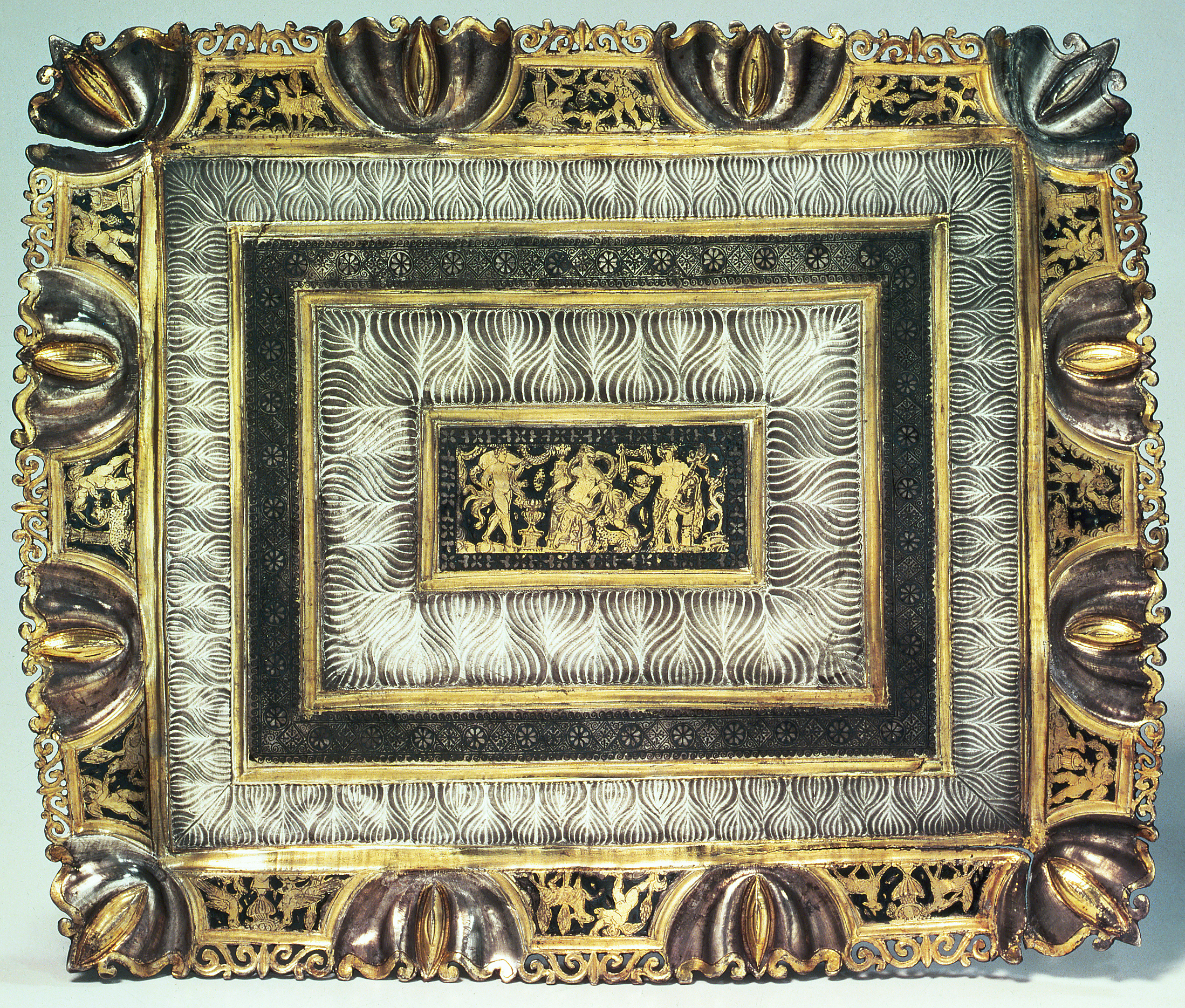
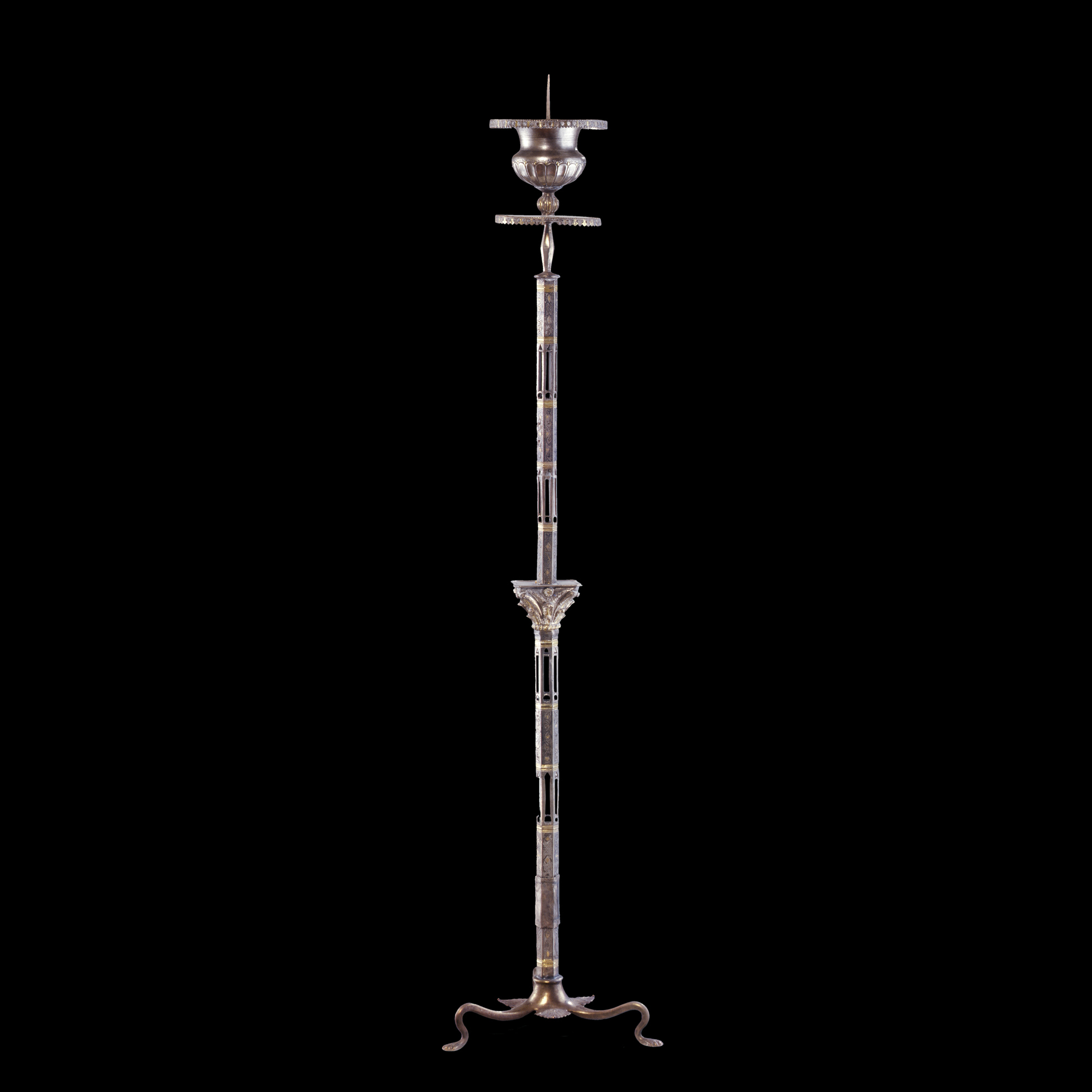
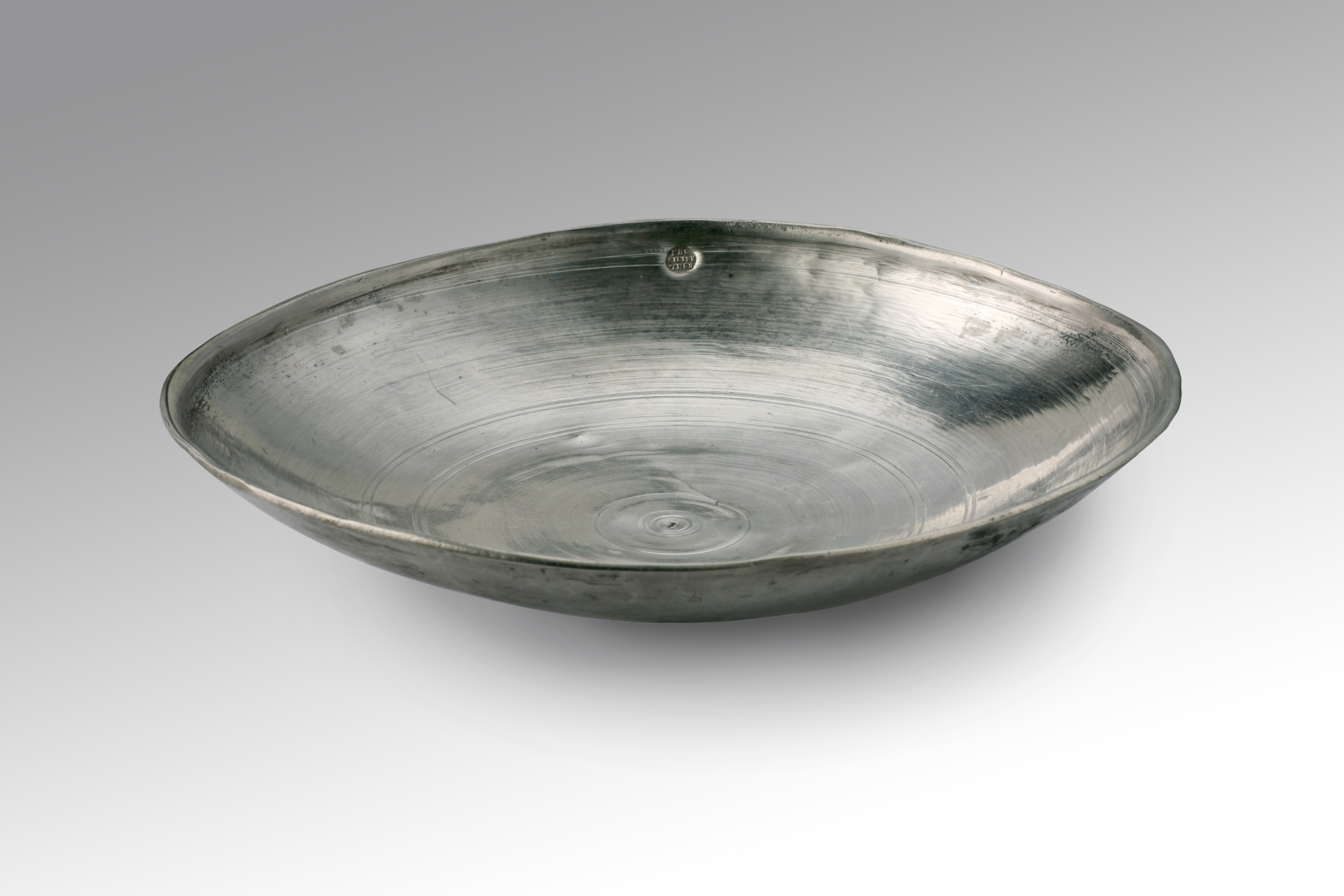
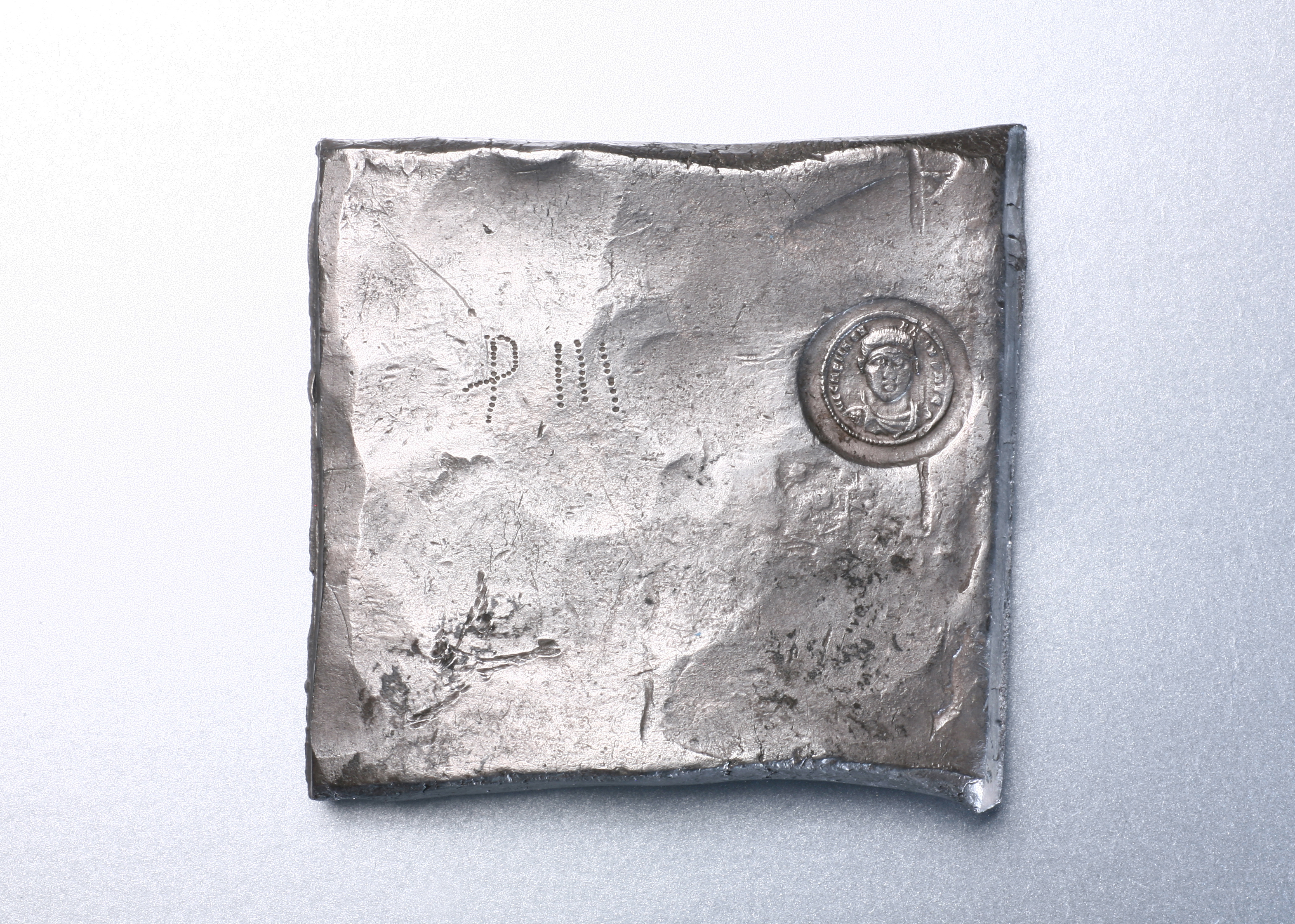
58 kg of pure silver, made into 270 Objects including platters, spoons, coins and much more: the silver treasure from Augusta Raurica is one of the most valuable and most important antique treasures ever found.

Its owners were high-ranking supporters of the emperor. Besides private gifts the silver treasure also included personal gifts from the emperor. He presented these to his subjects to ensure their loyalty and to consolidate friendly relationships.

The value of the silver treasure at the time was enormous: it was worth as much as the annual pay of 230 legionaries. And in the end all of it was owned by one or perhaps two high-ranking army officers. Around AD 351 they buried the treasure at the Castrum Rauracense: a precautionary measure taken because of the internal power struggles and the outside threat posed by Germanic incursions, which at the time were considered imminent. The treasure was never retrieved – until a mechanical excavator uncovered it during construction work in 1961. The objects were discovered by chance in the spring of 1962. 18 artefacts, however, did not resurface until 1995.

The silver treasure is not currently on display at the Augusta Raurica museum.

Take a look at the silver treasure:

‘Treasure Hoards – Hidden, Lost, Found‘ at Basel Historical Museum

The exhibition can be seen at the Barfüsserkirche until 28 June 2026.

To the exhibition

Discover the silver treasure online!

To the silver treasure

History of the discovery

At the end of 1961, an excavator operator working on a construction site in Kaiseraugst stumbled upon the famous late Roman silver treasure – without realising it. The heavy shovels damaged parts of the valuable objects, and many pieces were scattered. It was not until January 1962 that the spectacular story of the rediscovery began: playing children, attentive walkers and an Innkeeper collected the first finds until archaeologists realised the extent of the treasure.

Gradually, more and more objects came to light. However, some pieces are still missing today – perhaps they will turn up one day.

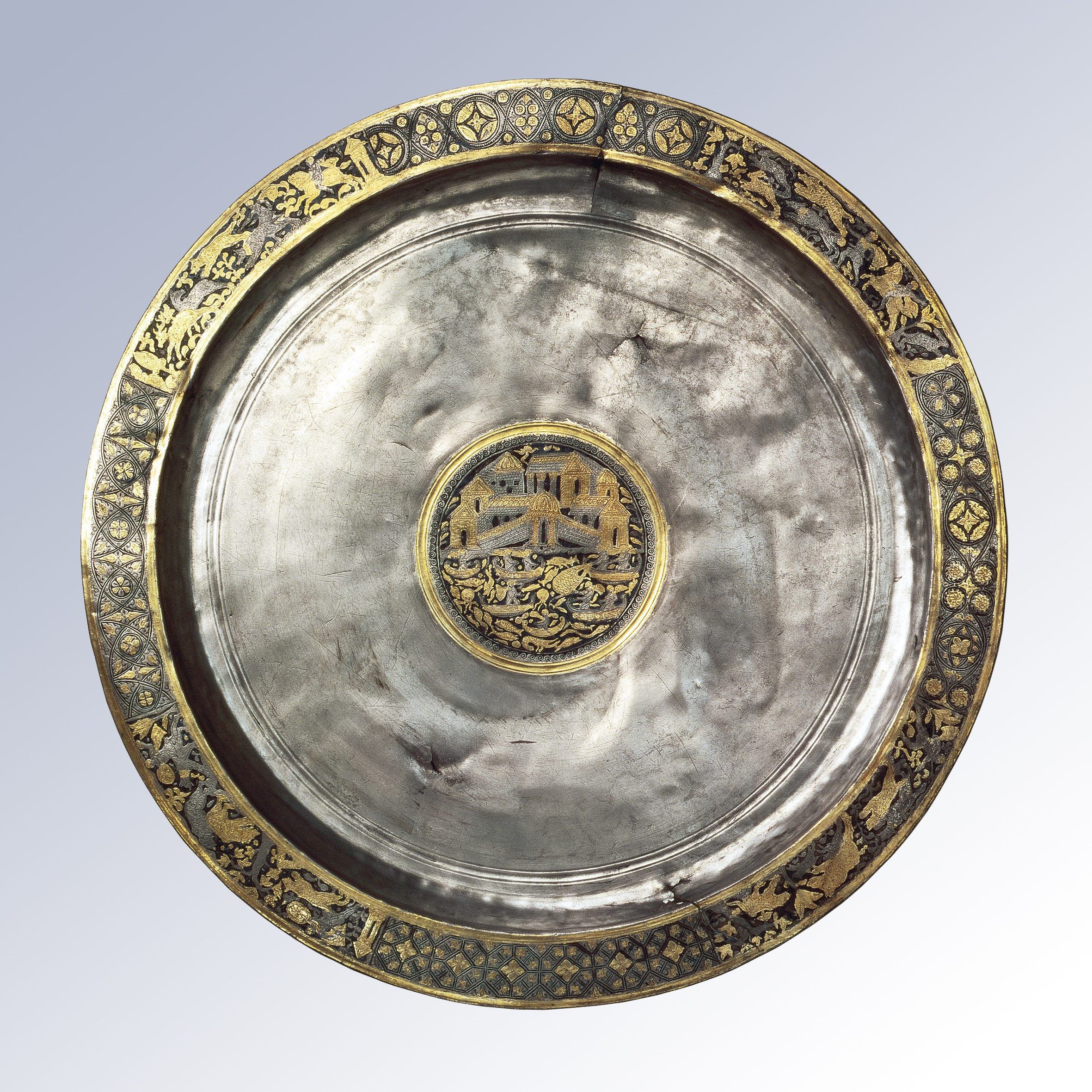
"I couldn't rest, so we were back at the site at 8 o'clock on Wednesday morning: with Werner Hürbin and Jürg Ewald [...]. Then Mrs Schmid-Leuenberger, the innkeeper at the Löwen, came over the pile of rubble in her kitchen apron. She brought two baking trays and asked if they were ours, saying she had found them where we were searching. It was the large cupid plate (side note: Meerstadt) in niello technique and the large undecorated plate. We are stunned by this turn of events and set about deciphering the depiction. But Mrs Schmid explains that she has more of this stuff in the fish cellar [...]."

(Rudolf Laur-Belart, diary, 21 February 1962, Augusta Raurica archive)

More on this topic

Publikation
Forschungen in Augst

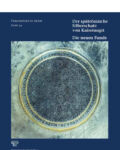
Der spätrömische Silberschatz von Kaiseraugst: Die neuen Funde

Martin A. Guggisberg (Hrsg.)
FiA 34
Silber im Spannungsfeld von Geschichte, Politik und Gesellschaft der Spätantike.
150.-
01. January 2003
Publikation
Magazin arCHaeo Suisse

Der Kaiseraugster Silberschatz – Vergraben, verkannt, wiedergefunden

Lilian Raselli
arCHaeo Suisse 03/2025
01. September 2025
Silberschatz
Publikation
Augster Museumshefte

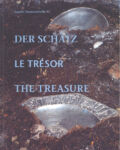
DER SCHATZ - Das römische Silber aus Kaiseraugst neu entdeckt

Beat Rütti, Catherine Aitken
AMH 32
01. January 2003